What it does
Human circadian rhythm: 24-hour cycle regulating sleep, mood, alertness, metabolism — synchronised primarily by light entering the eye. Blue-rich daylight (5000–6500K, high lux) signals 'day' to suprachiasmatic nucleus → suppresses melatonin → alertness. Amber dim light (1800–2200K, low lux) signals 'night' → melatonin release → sleep readiness. Modern London life disrupts cycle: indoor most of day (low daylight exposure), screen-rich evening (blue-rich light delaying melatonin). Circadian lighting compensates: cool bright (5000K, 500–1000 lux) morning + day in living + work zones to support alertness; gradual warming through afternoon; warm dim (2700K → 1800K, 50–150 lux) evening to prepare for sleep; night-light 1800K (e.g. wayfinding low-level) maintains melatonin secretion. Emerging evidence: improved sleep quality, mood, alertness, possibly long-term metabolic + cognitive benefits. International Well Building Standard (WELL) credit for circadian lighting; LEED v4.1 EQ Credit; growing private + commercial demand.
Specification
Two LED chips per fitting (warm 2700K + cool 6500K — tunable white): driver mixes proportions to deliver any colour temperature 1800K–6500K. Dim-to-warm fittings (Soraa Vivid, Collingwood Halers H2 Lite Pro, Aurora SunSwitch): single chip + driver that warms as it dims (mimics tungsten incandescent — 2700K full to 1800K low). RGBW (3 colour + white) or RGBWW (3 + 2 white): full colour + tunable white for premium spec. Control: KNX (DALI gateway controls each fitting independently), Loxone Tree (Loxone Touch tree-coupled lighting), Casambi (Bluetooth mesh — wireless, no central controller), Lutron RadioRA + ketra (cinema-grade dimming + tunable). Configuration: scene-based (morning, day, evening, night) + circadian curve (continuous adjustment through day per user-defined or astronomical clock). Whole-house premium £4,800–£18,500 above standard LED + dimmer install — driven by tunable-white fitting + DALI/KNX/Loxone infrastructure + designer + commissioning. Critical zones: master bedroom, study, family room, kitchen island (used through whole day) — circadian; transit zones (hallway, utility) — standard 2700K dimmable acceptable.
When worth it
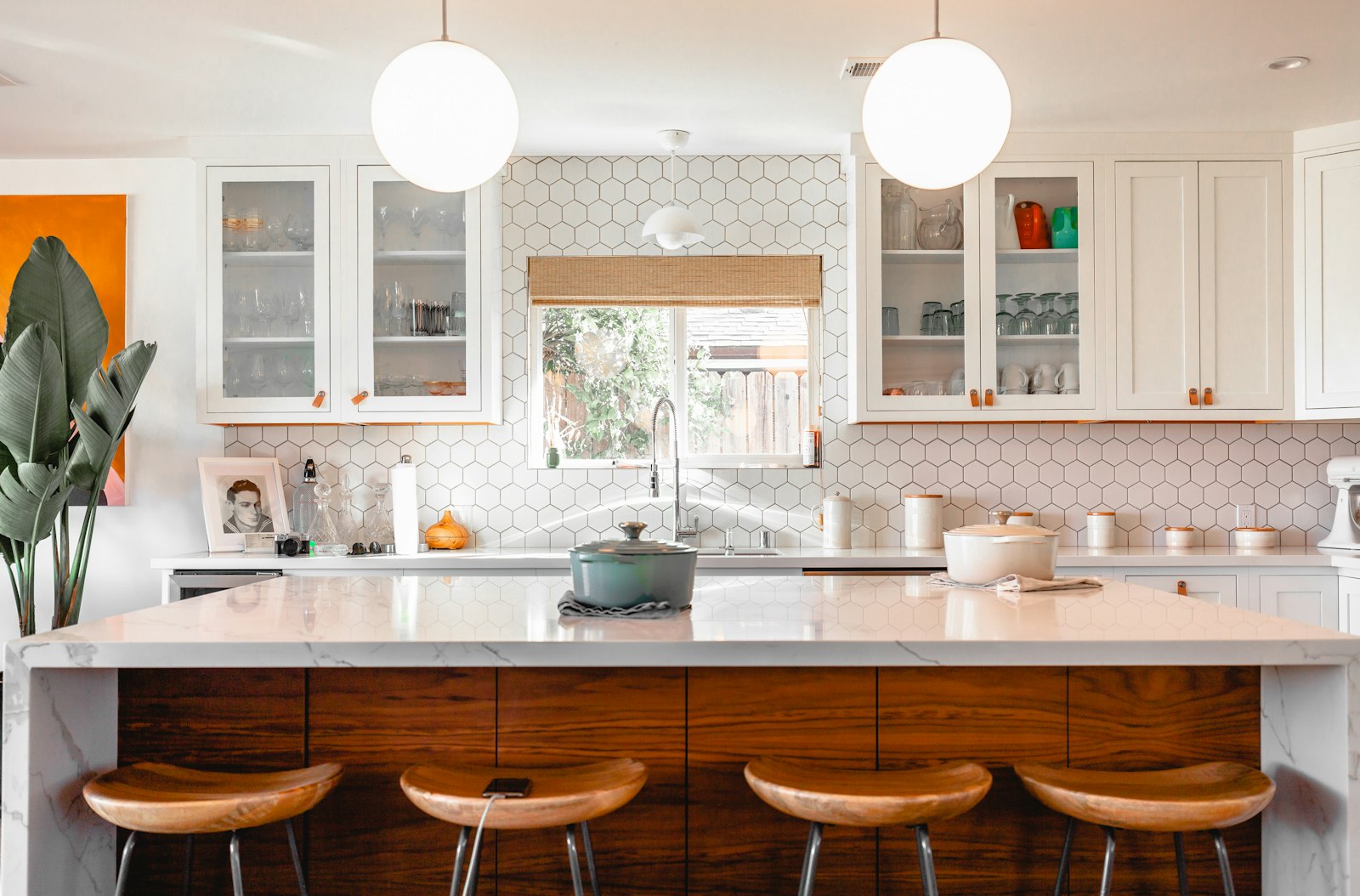
Strongest evidence + perceived benefit: master bedroom (circadian curve supports sleep onset + waking); study + home office (alertness during work hours); family living + kitchen (where 6+ hours/day spent); cinema room (dimming + colour scenes for film viewing). Lower benefit: bathrooms (short use, no circadian impact), utility, garage. Combine with daylight optimisation: north-light + roof lights + correctly oriented glazing capture natural blue-rich daylight (4000K+ at 10,000+ lux midday) — free + biologically superior to artificial blue light. Use circadian artificial supplement for early morning + evening + low-daylight winter periods. Family with children + screen use: circadian wind-down particularly valuable — 2-hour evening warm-dim period correlates with better sleep onset per multiple studies. Premium specifiers (John Cullen, Sally Storey, Maurice Brill) increasingly include circadian as standard in renovations >£500k. ROI: not directly capitalised in valuation but contributes to overall 'premium specification' signal in £2M+ properties.