Value uplift by extension type
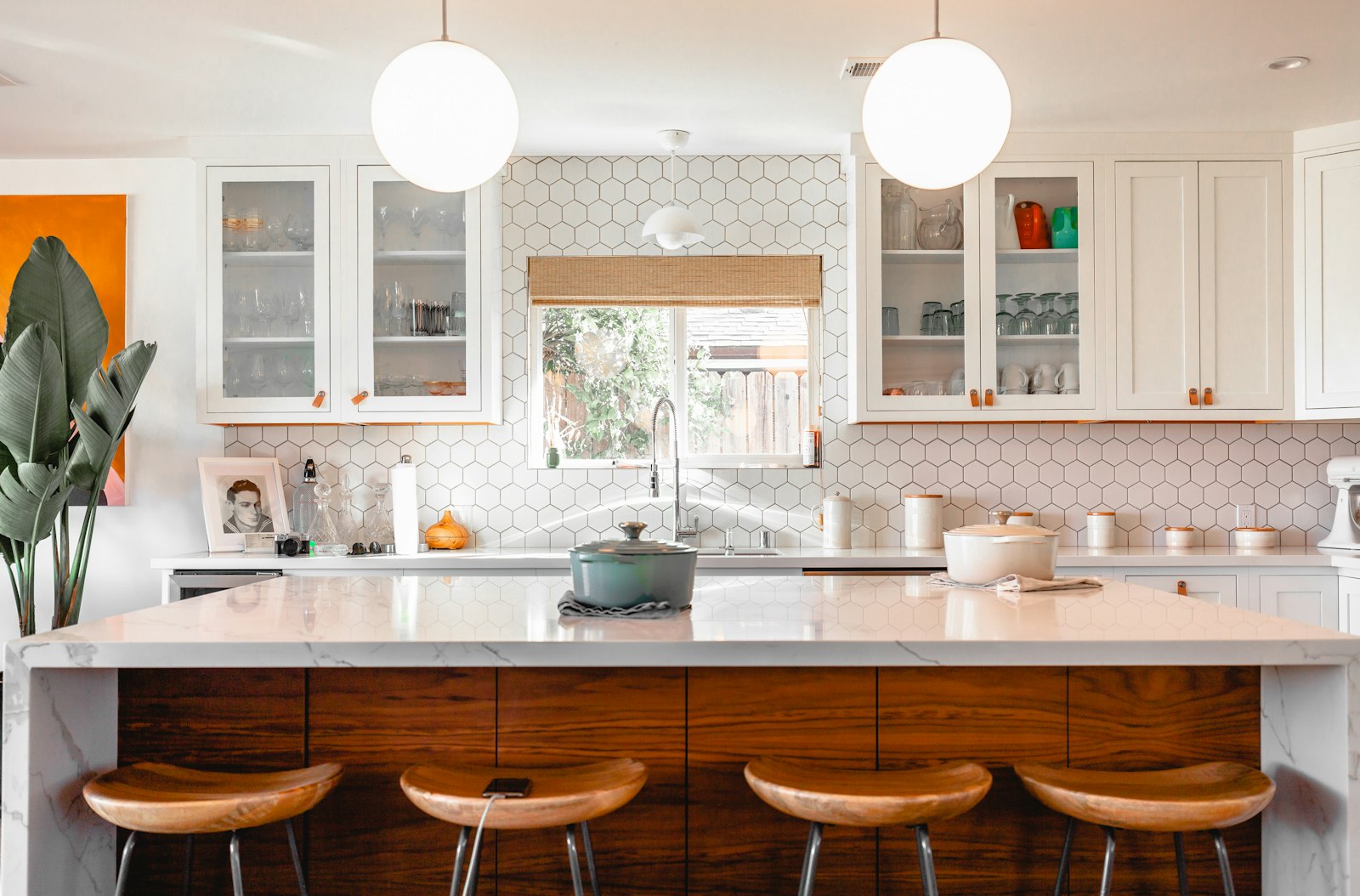
Different extension types create different value. A side return kitchen extension — the most popular London type — typically adds 10–15% to value and transforms the functionality of the ground floor; it almost always costs less than the value it adds in zones 2–4. A full-width rear extension with open-plan kitchen-dining adds 12–18%, particularly when it creates the £1m+ buyer's expectation of a knocked-through rear. A double-storey extension that adds a fourth bedroom and an ensuite can add 15–23% in family-buyer areas; the value uplift is largest in boroughs where four-bed family homes command a significant premium over three-beds. A wraparound extension (side + rear) adds the most floor area and 15–22% in value, but at the highest build cost.
Which extensions are worth the investment?
The value question depends on your base price, your local market and your exit horizon. As a rule: in zones 2–4 (where base house prices are £600k–£1.5M), virtually any well-designed extension paying under £3,500/m² will return more than cost on sale. In zone 5–6 outer London (base prices £350k–£550k), value uplifts are smaller in absolute terms; kitchen extensions still typically return their cost, but double-storey extensions may not recoup their full cost within a 3-year horizon. The highest-ROI extensions are those that change the buyer bracket: a rear extension that creates an open-plan kitchen-diner (what London buyers now expect), or a double-storey that adds a fourth bedroom (moving from three-bed to four-bed is the biggest value jump in most London markets).