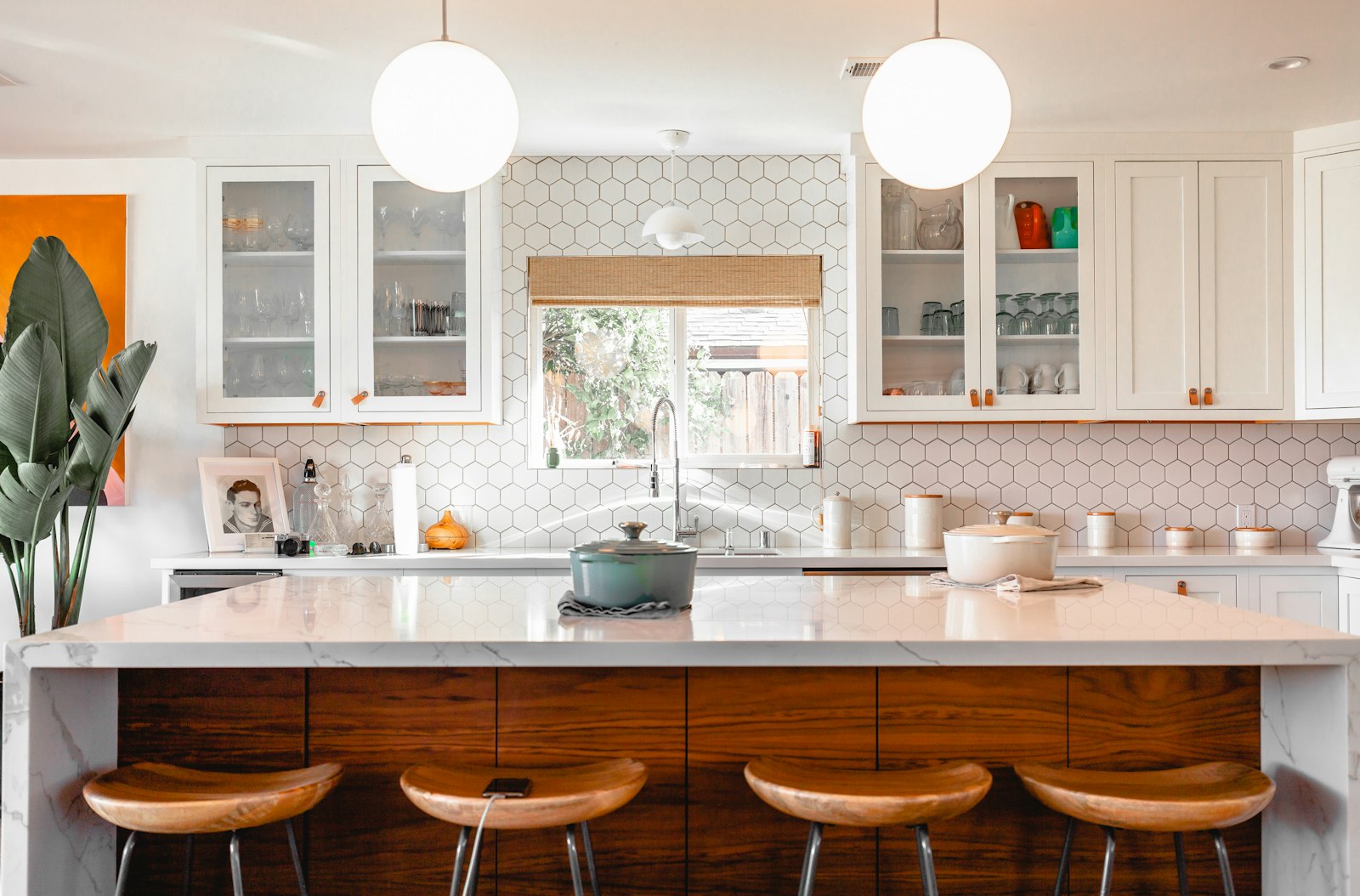
What is included in a kitchen renovation cost?
A turnkey London kitchen renovation includes strip-out and disposal, any wall removal and steel, electrical first and second fix, plumbing relocations, heating extension, plasterwork, flooring, splashback and tiling, cabinets, worktops, sink and tap, integrated appliances, lighting design, decoration and final cleaning. Trade-only items (cabinets ex-VAT from Howdens, appliances from suppliers) are typically supplied and fitted by the contractor under a single quote, removing your VAT risk and warranty fragmentation. Items frequently excluded and worth checking on every quote: free-standing or premium appliances, smart lighting controls, underfloor heating, structural calculations if walls are removed, building control fees, and waste removal. Average all-in spend in inner London for a mid-range 4-metre galley is £22,000-£32,000; outer-London equivalents land 12-18% cheaper, mainly through lower labour and overhead rates rather than materials.
Cost by kitchen tier
Three tiers cover most London renovations. Entry-level (£18,000-£28,000): Howdens, Wren or B&Q Magnet cabinets, laminate or basic quartz worktops, mid-range integrated appliances (Bosch Series 4, AEG 6000), reusable layout, no wall removal. Mid-range (£28,000-£45,000): bespoke-look modular cabinets (Naked Doors, deVOL Shaker), engineered stone or Dekton worktops, Bosch Series 8 or Neff appliances, lighting upgrade, partial wall removal under steel. Premium (£45,000-£75,000+): fully bespoke joinery (deVOL, Plain English, Roundhouse), natural stone worktops, Wolf, Sub-Zero or Gaggenau appliances, structural reconfiguration, integrated AV and smart lighting. Above £75,000, kitchens overlap with kitchen extensions where the spend justifies an architect-led layout change.
What drives London kitchen cost variance?
Five factors account for most cost spread on identical-looking kitchens. First, cabinet brand and door finish: a 4m run in painted MDF Howdens is £4,500; the same run in deVOL Shaker is £18,000-£22,000. Second, worktop material: laminate £400-£800, quartz £1,500-£3,000, marble or quartzite £3,500-£7,000 per kitchen. Third, appliance package: a four-piece Bosch Series 4 set is £2,200; a Sub-Zero/Wolf equivalent is £18,000-£28,000. Fourth, layout change requiring wall removal, steel, structural calculations, party wall notices and building control: adds £6,000-£14,000. Fifth, services relocation (moving gas, waste, water): £1,500-£4,000. Always price line by line against a fixed scope; PCs (provisional sums) on cabinets or appliances are the most common source of mid-build cost growth.
Realistic London timelines
On-site duration for a kitchen renovation in London is 3-8 weeks. A like-for-like swap with no wall changes completes in 3-4 weeks; a layout reconfiguration with services relocation 5-6 weeks; a kitchen with wall removal and steel 7-8 weeks. Lead times before site start are usually longer than the build: bespoke joinery 8-14 weeks, mid-range cabinets 4-6 weeks, premium appliances 4-12 weeks depending on stock. Plan total project duration of 14-22 weeks from instructing a designer to handover. Always order cabinets only after final survey and any wall removal is completed, to avoid £3,000-£8,000 in re-ordering costs when site dimensions differ from drawings.