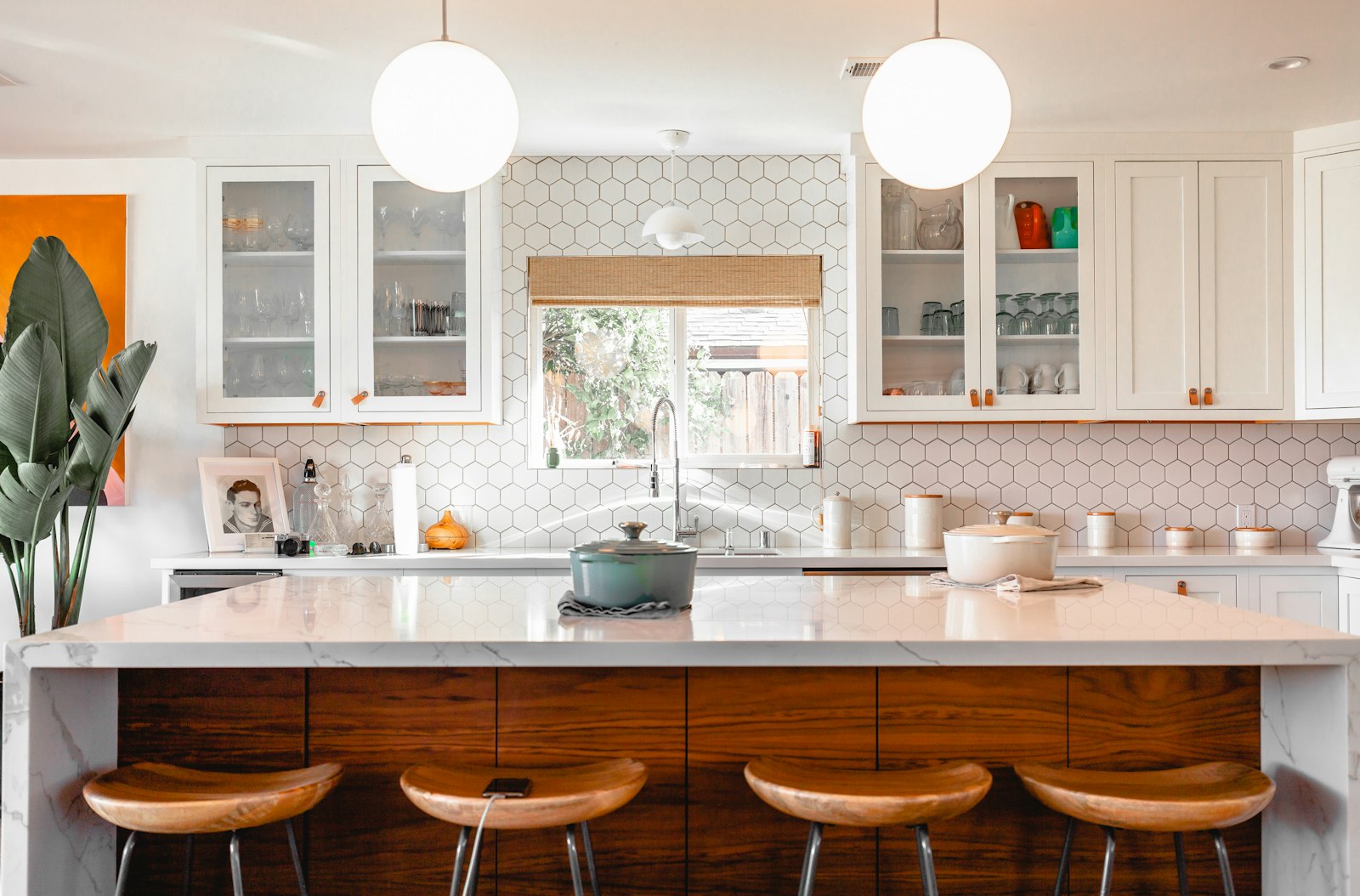
Internal Crittall screen spec and material options
Internal Crittall-style screens (also called 'steel-look glazed partitions' or 'industrial-style screens') are interior partitions of slim black-framed glazing dividing one room from another with high light transmission. The 'Crittall' name refers to the original UK manufacturer Crittall Steel Windows (Essex, established 1849), which still produces the original hot-rolled steel sections; most current London projects use 'Crittall-style' aluminium reproductions in steel-look anthracite or black powder coat. Material options: (1) Original Crittall steel (W20 sections, 26mm sightline) — heritage authentic; £1,200–£1,800/m supply & install; long lead times (12–20 weeks); used in heritage warehouse conversions and prime London projects. (2) AluK F82 in 'industrial grey' or 'black anthracite' (steel-look aluminium with grid mullions) — UK aluminium fabricated; £1,100–£1,500/m. (3) Reynaers Janisol (Belgian thermal-broken steel-look) — premium aluminium with steel-emulating profile; £1,400–£2,000/m. (4) Smart Systems Designer Range — value spec; £900–£1,200/m. Finish: matt black is the dominant 2026 spec (replacing earlier anthracite trend); bronze powder coat (Bronze anodised, RAL 8019) is the high-end spec for prime central London. Glazing pattern: 'georgian wired' (multiple small panes within a grid mullion) is the classic Crittall look; 'large pane single-glazed' is the contemporary minimalist look. Glazing: 6.4mm laminated safety glass standard (single-glazed internal screens do not require double-glazing for internal partitions).
Configuration: fixed screen, screen with door, screen with sliding door
Internal Crittall screens come in three primary configurations. (1) Fixed screen (no door) — a fully glazed partition with no opening; suited to dividing a hallway from a living room or framing a feature wall. Cost: £900–£1,400/m for fixed-only spec. (2) Screen with hinged single door — most common: a 750–900mm wide single hinged door within a 2.5–4m wide screen, used to enter a kitchen-diner from the hallway or to divide the boot room from the kitchen. Cost: £1,100–£1,500/m equivalent including the door. (3) Screen with sliding door — a Crittall-style sliding door (single panel) within a longer fixed screen; cost £1,400–£1,800/m. (4) Pivot door within screen — for taller screens (2.7m+ tall) a pivot door reads as architecturally elegant; cost £1,800–£2,400/m. (5) Bi-fold within screen — uncommon for Crittall (the multi-panel folding action looks bulky next to the slim grid mullions); rarely specified. Hardware: door handles, hinges, lock cylinders in matching black or bronze finish; brass or antique brass alternatives for heritage projects (Allgood, Croft Architectural). Sliding hardware: Eclisse pocket-door system for sliders; Karcher Design lever handles; deadbolts with thumbturn for security where the screen divides a residential occupancy zone.
Worked example: London open-plan kitchen with internal screen
Common London application — a Victorian terrace renovation where the kitchen-diner is reconfigured as an open-plan space with a Crittall screen dividing the formal dining/snug from the kitchen. Worked example, 4m wide screen × 2.5m tall, AluK F82 in matt black, single hinged door 800mm × 2.1m, 9-pane (3×3) grid mullion pattern, 6.4mm laminated glass throughout. Supply: £4,800 (12 panes plus door panel plus hardware). Installation: 2-person team, 1.5 days on-site (delivery, plumbing, fitting, sealant, adjustment). Builder enabling: trim out the opening (drylining, flooring continuity, ceiling line plaster perfection). Total supply & install: £5,400–£6,500 with installer-included site enabling. Build programme impact: the screen typically installs after first-fix electrical and plumbing but before final decoration — week 14–18 of a typical Victorian terrace whole-house renovation. Designer impact: the screen replaces a solid wall, allowing 70%+ light transmission while still acoustically and visually separating the kitchen from the dining room. Buyer impact: London estate agents report internal Crittall screens add approximately 1.5–3% to perceived property value in mid-market and prime postcodes (W6, W11, SW6, N1, SW18, SE15, SE22).
Mistakes to avoid when specifying Crittall screens
Common errors. (1) Specifying mid-spec aluminium that does not deliver steel-like aesthetic. Cheap Crittall-style aluminium screens (under £900/m) often look like aluminium screens rather than steel — sightlines too wide, mullions too chunky. The aesthetic premium of Crittall is in the visual slimness of the mullions; saving £400–£800 on system choice typically undermines the look. (2) Mismatched finishes between Crittall screen and hardware. Matt black screen with chrome handles looks confused; specify matching black or bronze hardware. Budget £100–£250 per door for matched hardware. (3) Floor and ceiling tolerance. Crittall screens read 'precision' and require perfectly aligned floor and ceiling lines. A floor that varies 5mm over 4m means a 5mm gap below the screen frame; ceiling variation reveals shadow gaps that ruin the aesthetic. Plan early; screed/floor levelling and ceiling plaster must be precise before measurement. (4) Skimping on glass spec. 6.4mm laminated glass is the safety-rated spec; thinner glass (4mm float) is cheaper but compromises rigidity and child safety. Always specify laminated safety glass. (5) Ignoring acoustic performance. A single-glazed Crittall screen transmits sound — 25–30 dB STC reduction only. Where acoustic separation matters (kitchen-to-bedroom, home office), specify acoustic laminated glass (8.8mm or 11.5mm laminated) — £150–£400 per door pane additional but raises STC to 38–42 dB.