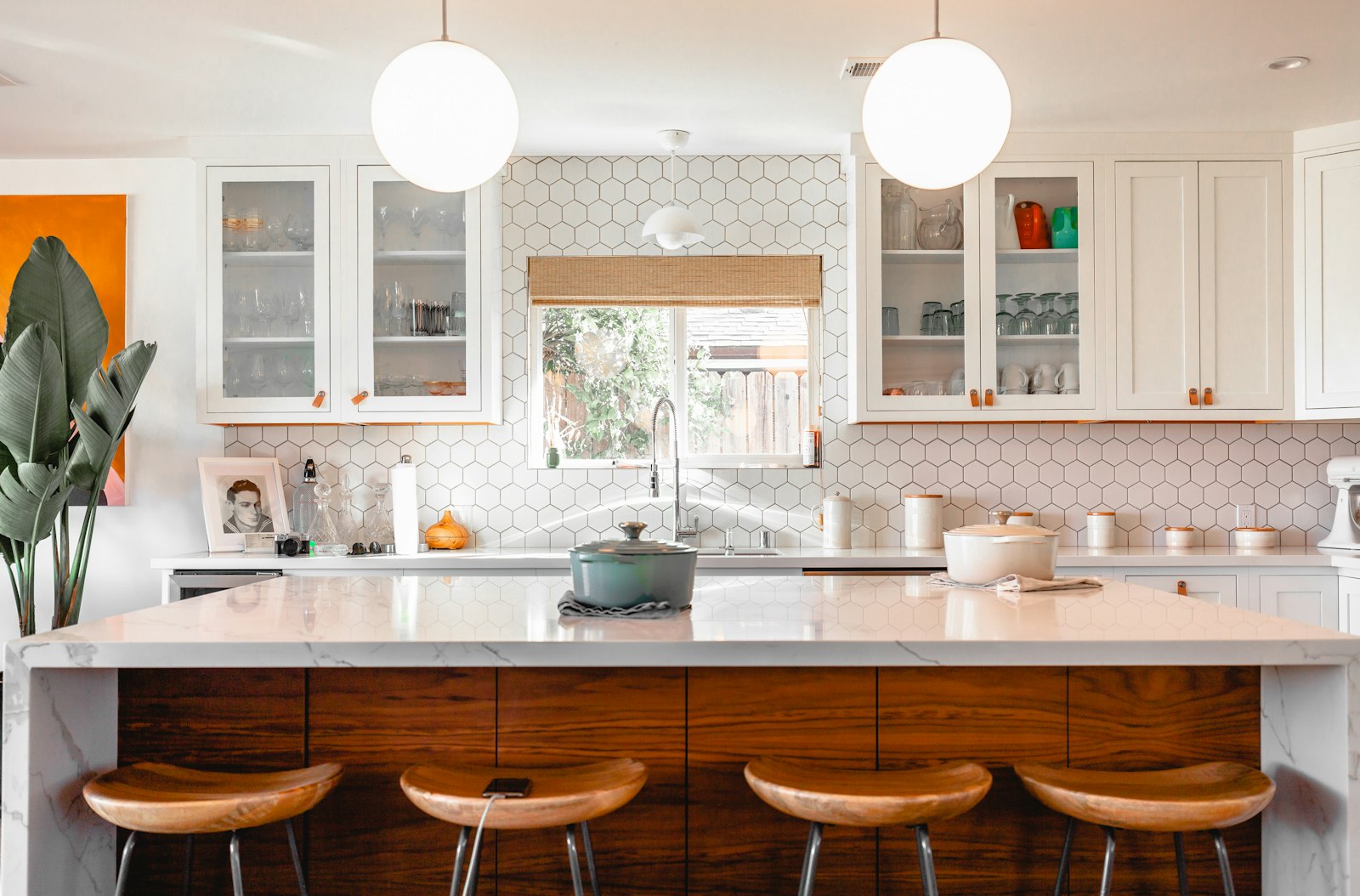
Smart home tiers in 2026 London
Tier 1 — wireless DIY (£500–£3,000): Hue or LIFX smart bulbs, Nest or Tado smart thermostats, Yale or August smart locks, Ring or Reolink cameras, all controlled via Apple HomeKit or Google Home. No structured cabling, no professional integration. Acceptable for small projects but suffers from app fragmentation and patchy reliability. Tier 2 — wired prosumer (£5,000–£15,000): KNX, Loxone or Shelly bus-based systems with hard-wired switches, programmable heating zones, motorised blinds and integrated AV. Programmed by a certified installer but accessible price point. Tier 3 — premium integrated (£20,000–£60,000+): Crestron, Lutron Homeworks, Savant or full Control4 systems with bespoke programming, custom touch panels, server-based logic, music streaming integration, theatrical lighting scenes. Multi-week commissioning and ongoing service contracts.
First-fix cabling — why timing matters
The lowest-cost moment to install smart home infrastructure is during first-fix on a renovation, when walls are open and chases are already being cut for power and data. First-fix typically adds 5–10 percent to the cabling cost above bare minimum (extra Cat6a runs, KNX or DALI buses, blinds and lock wiring, AV trunking) compared to 50–200 percent if retrofitted later through closed walls. Strategic first-fix decisions even on a small budget: Cat6a to every TV position and to every wireless access point location (typically one per floor minimum), KNX or low-voltage cabling to every light switch, fused spurs for future smart appliance points, structured cabling to a central comms cabinet (typically in a utility cupboard or under stairs). The 'install the pipework now' approach lets the homeowner adopt smart technology over years without ripping walls open.
Choosing between platforms
Loxone Miniserver suits clients who want full automation logic on a budget: lighting, heating, blinds, music, security, intercom and access control all unified in one programmable Linux-based controller. Mid-tier installation £8k–£18k. KNX is the international open standard — pick KNX if you want long-term openness and ability to mix devices from different vendors. Lutron Homeworks excels at lighting scenes and is the global default for premium lighting design — pair with Crestron for AV. Crestron and Savant are the top-end integration platforms with deep AV and bespoke programming. Apple HomeKit and Google Home are excellent fallback / overlay layers — install a Loxone or KNX backbone and surface device control through HomeKit for a unified user experience. Avoid locking into a single proprietary cloud platform with no local control fallback — the home should still work if the manufacturer disappears.