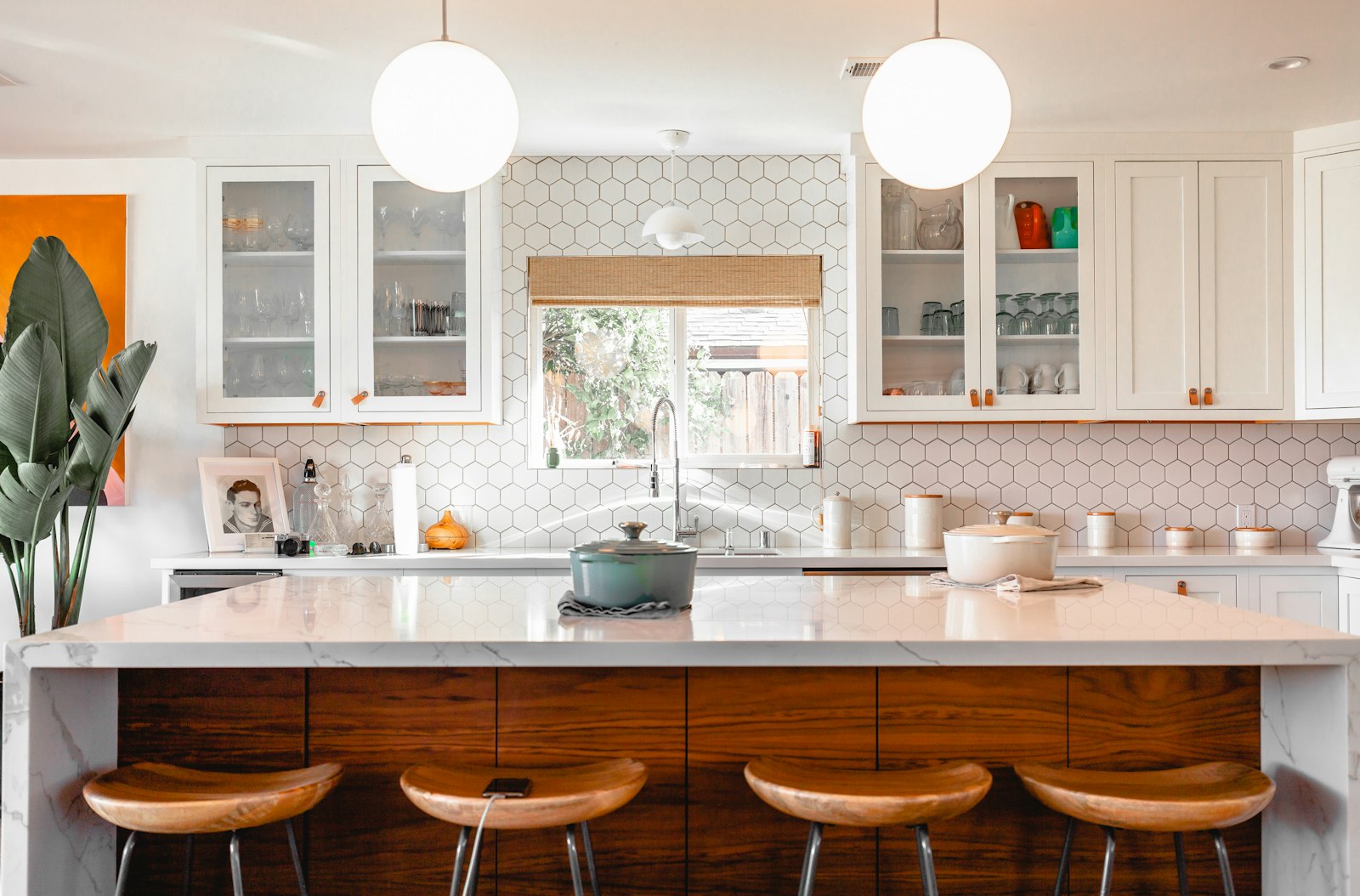
What a side return extension does
A side return is the narrow alley between the rear outrigger of a Victorian or Edwardian terraced house and the boundary wall with the neighbour. Typical width is 1.5–2.5m; depth matches the existing rear outrigger (4–6m). A side return extension infills this alley with a new ground-floor extension, squaring off the kitchen and creating a proper L-shape or full-width rear room. The new structure has its own roof (typically flat with rooflights or pitched lean-to), new external walls on the boundary side, and a new opening cut through the existing kitchen flank wall. The result is a kitchen-diner that is twice the size of the original galley.
Planning permission for side returns
Most side return extensions on London terraces are permitted development under Class A of the GPDO. The key rules: single storey only (no double-storey side returns under PD); height not exceeding 4m at the highest point and 3m at the eaves within 2m of a boundary; width not exceeding half the original house width (almost always satisfied for a narrow side return); materials similar to the existing house. Conservation areas remove most PD rights — a side return in a conservation area typically needs full planning, although many councils approve them readily because they don't affect the streetscape. Listed buildings and flats have no PD rights. Builderr checks every property's planning status at survey.
Side return cost breakdown
A standard London side return extension in 2025 typically costs £55,000–£85,000. Breakdown: foundations and groundworks £8,000–£14,000; superstructure (walls, steels, opening through existing wall) £12,000–£20,000; flat roof with rooflights or pitched roof £6,000–£11,000; bifold or sliding glazing typically across the rear wall £8,000–£14,000; internal finishes (plaster, decoration, floor) £8,000–£13,000; first and second fix electrics £5,000–£9,000; plumbing and drainage (relocated kitchen sink and any new drainage to extension) £3,000–£6,000; fitted kitchen and appliances £12,000–£25,000 (mid-range); building regs and design fees £3,000–£5,000. Total £65,000–£117,000 depending on finish. Party wall surveyor fees £700–£2,000 typically separate.